NorthEastConnect
National Parks & Wildlife

Wildlife Sanctuaries & National Parks

Discover Kaziranga, Manas, Dibru-Saikhowa and the incredible biodiversity of Northeast India

2 Sanctuaries
Khangchendzonga National ParkMarch-May and October-December (trekking seasons; the high park is snowbound in winter)

Khangchendzonga National Park

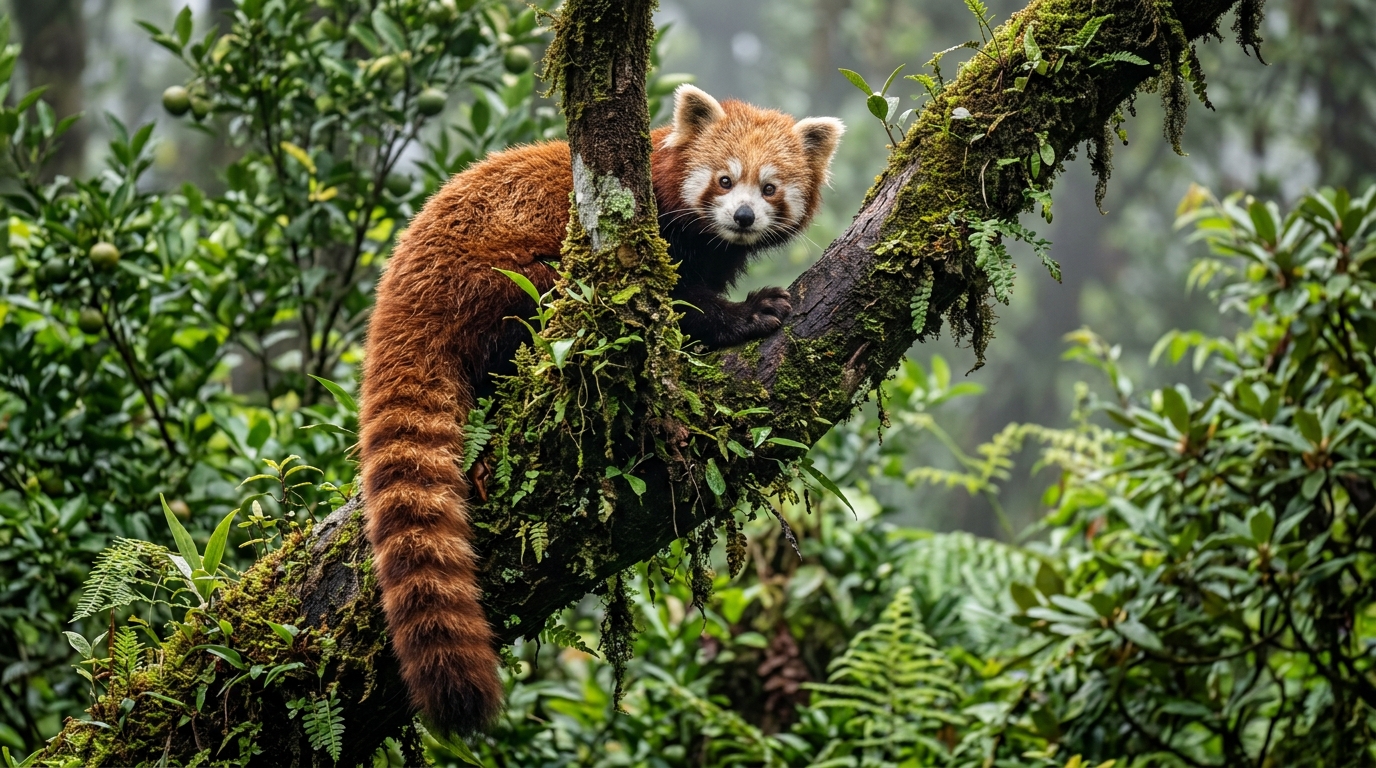
Khangchendzonga National Park, in northern Sikkim near Yuksom, covers an enormous 1,784 sq km, roughly a quarter of the entire state of Sikkim, making it one of the largest and most ecologically significant protected areas anywhere in the Himalaya. In July 2016 it became India's first UNESCO Mixed World Heritage Site, a designation recognising both its outstanding natural biodiversity and its deep cultural and religious significance to Sikkim's Buddhist and Lepcha communities, for whom the surrounding landscape, and Mount Khangchendzonga itself, the world's third-highest peak, is held sacred. The park's terrain spans an extraordinary vertical range, from subtropical valley forest through temperate and alpine zones up to permanently glaciated high peaks, giving it one of the widest habitat gradients of any single protected area in India. That range supports 1,580 recorded vascular plant species, 124 mammal species, and around 300 bird species, an exceptional density of biodiversity concentrated within a relatively compact Himalayan footprint. Flagship mammals include the snow leopard, red panda, Himalayan blue sheep (bharal), and musk deer, all species associated with high-altitude Himalayan terrain rather than the lowland forests that dominate most of Northeast India's other protected areas. Birdlife includes several pheasant species prized by birders, the Himalayan monal, blood pheasant, grey peacock pheasant, and satyr tragopan, alongside high-altitude specialists like the black-necked crane and Tibetan snow cock. Most visitor access to the park is via the Yuksom trailhead, the starting point for the well-known Goecha La trek toward the Kangchenjunga base area, making Khangchendzonga far more a trekking and mountaineering destination than a jeep-safari park. Its combination of extreme biodiversity, sacred cultural status, and genuine high-Himalayan scale sets it apart from every other wildlife destination on this site.
North Sikkim
Safari & EcotourismView Sanctuary →
Nokrek National ParkOctober to April (drier months; monsoon access to the ridge trails is difficult)

Nokrek National Park

Nokrek National Park sits atop the highest point of the Garo Hills in Meghalaya's West Garo Hills district, and is best known for two very different distinctions: it is a UNESCO-listed biosphere reserve (recognised in May 2009), and it is believed to hold the world's centre of origin for citrus. Citrus indica Tanaka, found growing wild within the park, is regarded by botanists as the likely ancestral species from which all cultivated citrus fruits ultimately descend, making Nokrek a site of genuine global botanical significance rather than just a regional one. The park's forest also shelters one of India's more unexpected wildlife populations: red pandas, normally associated with the high Himalaya, survive here at a latitude and elevation far outside their typical range, one of very few confirmed red panda populations anywhere in Northeast India outside Sikkim and Arunachal Pradesh. Asian elephants, hoolock gibbons, clouded leopards, and stump-tailed macaques share the same forest, and the park has recorded more than 200 bird species, making it a significant, if still under-visited, birding destination. Vegetation ranges from tropical semi-evergreen forest at lower elevations to subtropical broadleaf forest near the ridge line, with a rich understorey of wild citrus relatives, orchids, and medicinal plants that Garo communities have traditionally drawn on. The biosphere reserve designation covers not just the core national park but a wider buffer zone of community and reserved forest, reflecting an explicit conservation strategy built around involving surrounding Garo villages rather than excluding them. For visitors, Nokrek is usually approached from Tura, the West Garo Hills district headquarters, with the Tura Peak viewpoint and Nokrek Peak trek being the main access points into the reserve. Its combination of rare high-altitude wildlife, globally significant plant genetics, and relatively light tourist footfall makes it one of Meghalaya's more scientifically important, if lesser-known, protected areas.

West Garo Hills
Safari & EcotourismView Sanctuary →