Nokrek National Park
About Nokrek National Park
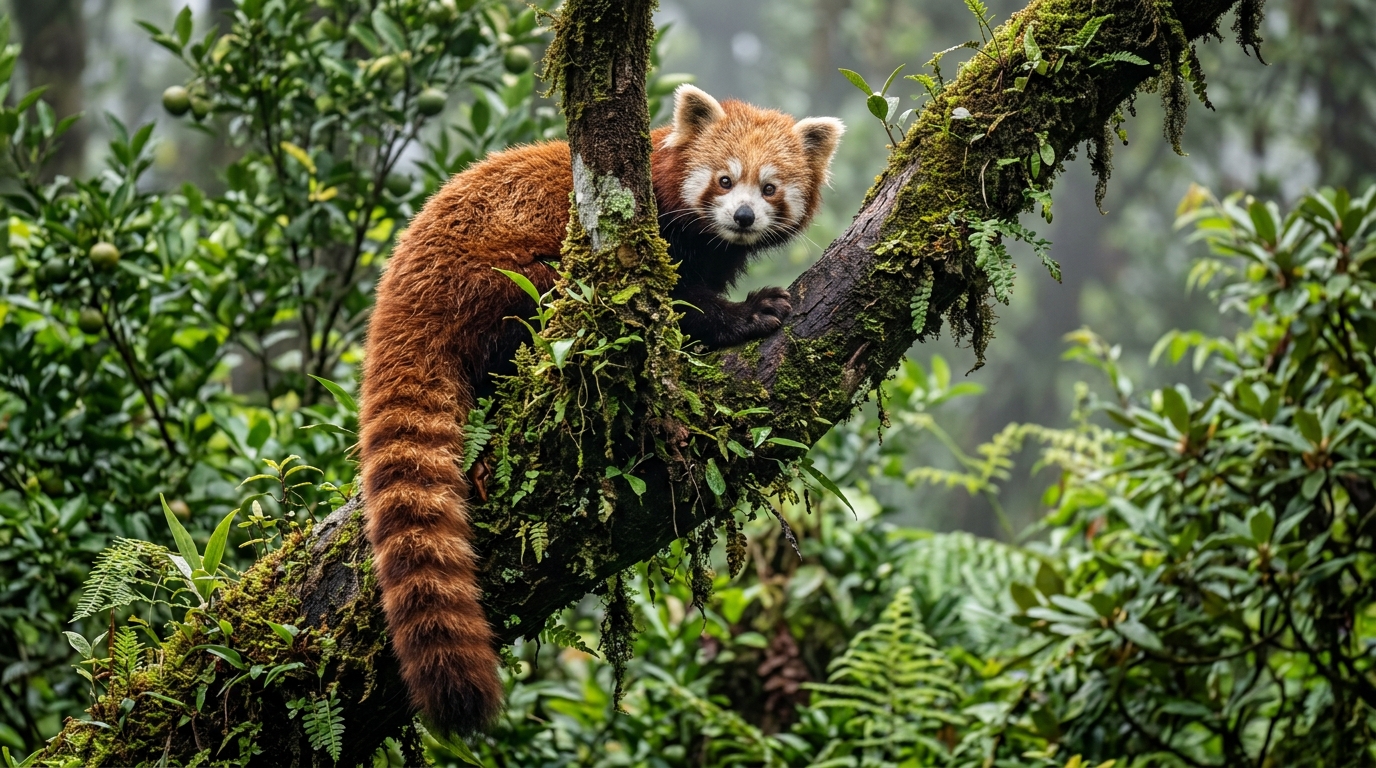
Nokrek National Park sits atop the highest point of the Garo Hills in Meghalaya's West Garo Hills district, and is best known for two very different distinctions: it is a UNESCO-listed biosphere reserve (recognised in May 2009), and it is believed to hold the world's centre of origin for citrus. Citrus indica Tanaka, found growing wild within the park, is regarded by botanists as the likely ancestral species from which all cultivated citrus fruits ultimately descend, making Nokrek a site of genuine global botanical significance rather than just a regional one. The park's forest also shelters one of India's more unexpected wildlife populations: red pandas, normally associated with the high Himalaya, survive here at a latitude and elevation far outside their typical range, one of very few confirmed red panda populations anywhere in Northeast India outside Sikkim and Arunachal Pradesh. Asian elephants, hoolock gibbons, clouded leopards, and stump-tailed macaques share the same forest, and the park has recorded more than 200 bird species, making it a significant, if still under-visited, birding destination. Vegetation ranges from tropical semi-evergreen forest at lower elevations to subtropical broadleaf forest near the ridge line, with a rich understorey of wild citrus relatives, orchids, and medicinal plants that Garo communities have traditionally drawn on. The biosphere reserve designation covers not just the core national park but a wider buffer zone of community and reserved forest, reflecting an explicit conservation strategy built around involving surrounding Garo villages rather than excluding them. For visitors, Nokrek is usually approached from Tura, the West Garo Hills district headquarters, with the Tura Peak viewpoint and Nokrek Peak trek being the main access points into the reserve. Its combination of rare high-altitude wildlife, globally significant plant genetics, and relatively light tourist footfall makes it one of Meghalaya's more scientifically important, if lesser-known, protected areas.
Location
West Garo Hills, near Tura
District
West Garo Hills
Photo Gallery
Community Discussion
0 thoughts shared • Earn XP by commenting