
Some nights aren’t meant to be explained… just felt. ✨🥂 A little confidence, a little mystery, and a moment that belongs entirely to you. #guwahati

Some nights aren’t meant to be explained… just felt. ✨🥂 A little confidence, a little mystery, and a moment that belongs entirely to you. #guwahati
#northeastconnect #guwahati #dance #zumba #gymnastics #rajgarh #kumarpara


A normal office day. #guwahati #northeastconnect

Any idea where in Guwahati can i get computers and peripherals at the best price?
View Full Discussion →What are your go-to rooftop cafes in Guwahati for sunset views over the Brahmaputra? Looking for good acoustic music vibe this weekend! 🌇☕
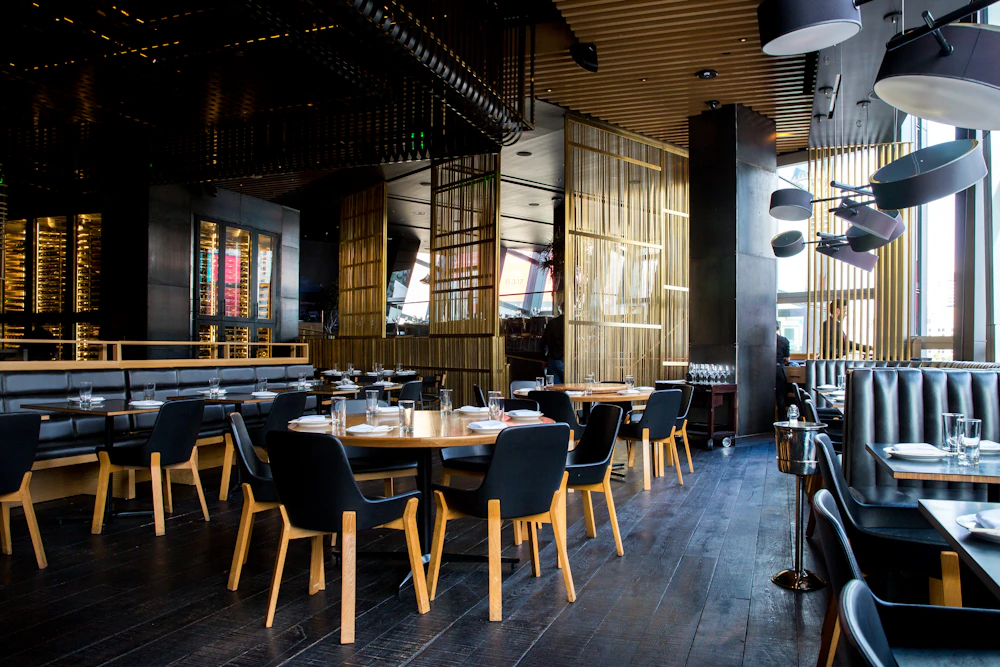
Cotton University campus is buzzing ahead of the upcoming youth festival. Exciting theatre and music line-up this year! 🎭✨
View Full Discussion →Sunrise cycling from Uzanbazar to Kharghuli hills. Fresh air, misty river views and hot morning laal sah from the local stall 🚴♀️☕
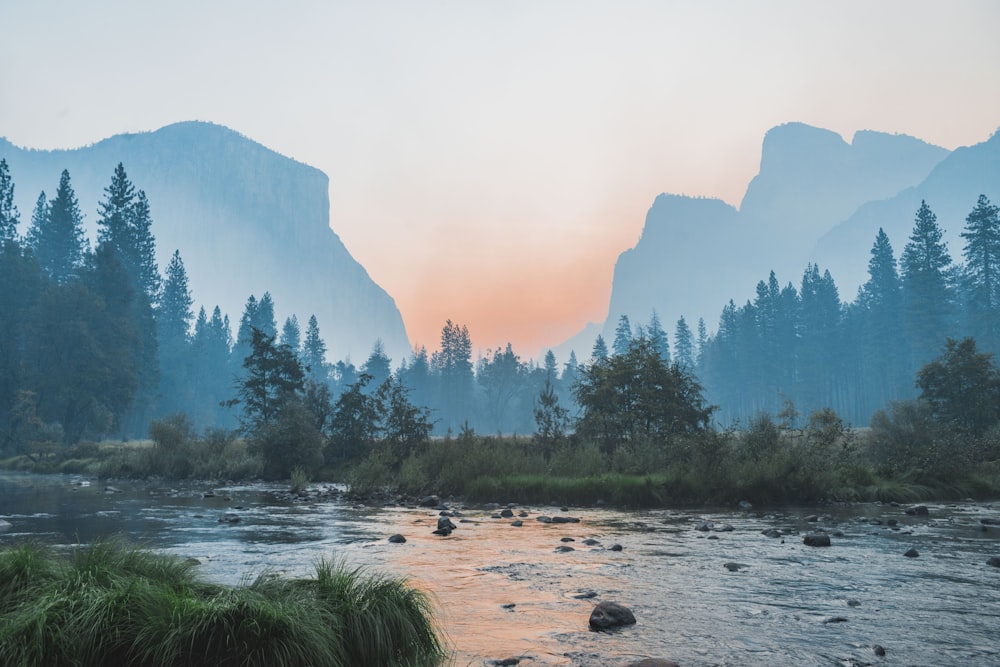
Any recommendations for traditional Assamese thali around Beltola or GS Road? Craving authentic duck curry with bamboo shoot and black sesame chicken 🍲
View Full Discussion →<h1>Upaveda's Yoga Now</h1> <p>Upaveda's Yoga Now operates as a dedicated yoga space in Kamrup Metro, where sessions are built around breath control, posture, and gradual progression rather than performance.</p> <p>A typical week at a studio like this covers a mix of foundational asanas, pranayama (breath-work), and often a guided relaxation or meditation segment at the close of class. For newcomers, the first few sessions usually focus on alignment and safe range of motion before intensity is introduced — this matters in a city like Guwahati where many students are coming to a studio for the first time after years of a sedentary desk routine.</p> <p>Guwahati's yoga scene has grown considerably over the past few years, with studios now catering to everything from general wellness and flexibility to more specialised therapeutic yoga for chronic conditions. When comparing studios in Kamrup Metro, it's worth asking about instructor certification (RYT/Yoga Alliance or an equivalent recognised course), typical batch size, and whether trial classes are offered before committing to a monthly or quarterly package.</p> <p>Upaveda's Yoga Now can be reached at 2nd floor, Ambika Complex, Guwahati, Kamrup Metro for current batch timings, trial class availability, and package pricing.</p>
<h1>Himalayan Yoga and Meditation Centre</h1> <p>Himalayan Yoga and Meditation Centre is a yoga studio serving students in Kamrup Metro, offering guided practice for people at different stages of experience rather than a one-size-fits-all class format.</p> <p>Class formats at yoga studios in this part of Guwahati generally split into beginner-friendly Hatha sessions, more dynamic Vinyasa-style flows for students wanting a cardio component, and slower restorative or therapeutic sessions aimed at people managing stress, back pain, or recovery from injury. Which mix a given studio emphasises usually depends on the instructor's own training background.</p> <p>Given Assam's humid climate for much of the year, many studios adjust class intensity and timing seasonally — early morning or early evening slots are generally preferred over midday sessions. It's a reasonable question to ask any studio in Kamrup Metro directly.</p> <p>To check current schedules, pricing, and whether trial sessions are available, contact Himalayan Yoga and Meditation Centre directly at GS Rd, Guwahati, Kamrup Metro (Phone: 7002466438; Website: <a href="http://www.hymcindia.com/" rel="noopener">http://www.hymcindia.com/</a>).</p>
<h1>ANUYOGA</h1> <p>Based in Kamrup Metro, ANUYOGA runs structured yoga sessions aimed at building a consistent, sustainable practice — not just a one-off workout.</p> <p>Most established studios structure their week around small batch sizes so an instructor can correct posture individually rather than running large, anonymous classes. Morning batches tend to draw working professionals before office hours, while late-morning and evening slots are more common for homemakers, students, and retirees.</p> <p>For residents of Kamrup Metro, proximity matters more than most people expect — a studio within a short commute is far more likely to become a sustained habit than one requiring a long drive across Guwahati's traffic, particularly during morning and evening rush hours on GS Road and the surrounding arterial roads.</p> <p>ANUYOGA can be reached at Naren Square, Jayanagar Rd, near Bharat Petroleum, Guwahati, Kamrup Metro (Phone: 9864039780; Website: <a href="https://anuyogaofficial.in/" rel="noopener">https://anuyogaofficial.in/</a>) for current batch timings, trial class availability, and package pricing.</p>
<h1>Guwahati yoga studio</h1> <p>Guwahati yoga studio operates as a dedicated yoga space in Kamrup Metro, where sessions are built around breath control, posture, and gradual progression rather than performance.</p> <p>A typical week at a studio like this covers a mix of foundational asanas, pranayama (breath-work), and often a guided relaxation or meditation segment at the close of class. For newcomers, the first few sessions usually focus on alignment and safe range of motion before intensity is introduced — this matters in a city like Guwahati where many students are coming to a studio for the first time after years of a sedentary desk routine.</p> <p>Guwahati's yoga scene has grown considerably over the past few years, with studios now catering to everything from general wellness and flexibility to more specialised therapeutic yoga for chronic conditions. When comparing studios in Kamrup Metro, it's worth asking about instructor certification (RYT/Yoga Alliance or an equivalent recognised course), typical batch size, and whether trial classes are offered before committing to a monthly or quarterly package.</p> <p>To check current schedules, pricing, and whether trial sessions are available, contact Guwahati yoga studio directly at Guwahati, Assam, Kamrup Metro (Phone: 9706319179).</p>
<h1>YOGSHAKTI (Health & Wellness Center)</h1> <p>YOGSHAKTI (Health & Wellness Center) is a yoga studio serving students in Kamrup Metro, offering guided practice for people at different stages of experience rather than a one-size-fits-all class format.</p> <p>Class formats at yoga studios in this part of Guwahati generally split into beginner-friendly Hatha sessions, more dynamic Vinyasa-style flows for students wanting a cardio component, and slower restorative or therapeutic sessions aimed at people managing stress, back pain, or recovery from injury. Which mix a given studio emphasises usually depends on the instructor's own training background.</p> <p>Given Assam's humid climate for much of the year, many studios adjust class intensity and timing seasonally — early morning or early evening slots are generally preferred over midday sessions. It's a reasonable question to ask any studio in Kamrup Metro directly.</p> <p>YOGSHAKTI (Health & Wellness Center) can be reached at House No. 51, 2nd Floor, RN Choudhury Path, opp. Bata Showroom, Guwahati, Kamrup Metro (Phone: 7086525766; Website: <a href="http://www.yogshakti.org/" rel="noopener">http://www.yogshakti.org/</a>) for current batch timings, trial class availability, and package pricing.</p>
<h1>North East Yoga Meditation Centre</h1> <p>Nestled in the heart of Guwahati, at H/No: 34, Ground Floor, Link Road, Kidzee School, Mother Teresa Rd, near Anzel's Home, the North East Yoga Meditation Centre offers a tranquil oasis for individuals seeking physical, mental, and spiritual well-being. In a region increasingly focused on rapid development, our centre provides a vital counterpoint, offering a space for introspection, mindful movement, and stress reduction. We are committed to enriching the lives of our community by providing accessible and high-quality yoga and meditation instruction, tailored to the specific needs and preferences of the people of Assam.</p> <br> <br> <p>Our unique approach blends traditional yogic practices with modern techniques, making it suitable for individuals of all ages, fitness levels, and backgrounds. We recognize that the fast-paced life of modern Assam can be demanding, and our services provide a much-needed antidote to the pervasive stress and anxiety that many face. We create a supportive and welcoming environment where participants feel comfortable exploring their inner selves and fostering a sense of connection, both within themselves and with others.</p> <br> <br> <h2>Core Services and Products</h2> <p>Our core offerings encompass a range of yoga styles, from Hatha and Vinyasa to restorative and prenatal yoga. Each class is carefully designed to cater to different needs and experience levels, ensuring accessibility for everyone. Beyond yoga, we offer a diverse selection of meditation practices, including mindfulness meditation, guided imagery, and transcendental meditation, enabling individuals to cultivate inner peace and manage stress effectively. We also conduct workshops and retreats focusing on specific aspects of yoga and meditation, providing deeper dives into particular practices and philosophies.</p> <br> <br> <p>One of our key unique selling propositions is our emphasis on personalized attention. Our instructors are highly qualified and experienced, committed to providing tailored guidance and support to each participant. We take the time to understand individual needs and goals, adapting our instruction to ensure optimal benefit. Further distinguishing us is our focus on incorporating local elements into our practices. We draw inspiration from the rich cultural heritage of Assam, weaving in elements of Assamese traditions and philosophies to create a unique and culturally relevant experience. This approach resonates deeply with our local community, fostering a stronger sense of belonging and connection.</p> <br> <br> <p>The demand for holistic well-being solutions is growing rapidly in Assam. Our services directly address this need by offering a practical and effective path towards stress management, improved physical health, and enhanced mental clarity. Our flexible class schedules and various pricing options ensure accessibility for a wide range of individuals, regardless of their socioeconomic background. We strive to make yoga and meditation accessible to everyone in our community, believing that these practices offer invaluable benefits to everyone.</p> <br> <br> <h2>Customer Experience</h2> <p>At the North East Yoga Meditation Centre, we prioritize creating a welcoming and inclusive environment where every individual feels valued and respected. Our instructors are known for their friendly and approachable demeanor, making newcomers feel comfortable and at ease. We foster a strong sense of community among our students, encouraging interaction and mutual support. Regular social gatherings and events help build bonds and deepen the connections within our community.</p> <br> <br> <p>Our commitment to personalized attention extends beyond the classroom. We offer individual consultations to assist participants in designing personalized practice plans that meet their specific needs and goals. We also maintain open communication channels, readily addressing any questions or concerns our clients may have. This personalized, attentive approach distinguishes us from larger, impersonal studios and creates a loyal and engaged client base. We actively engage with the local community through collaborations with local businesses, participation in community events, and offering subsidized classes to underprivileged groups.</p> <br> <br> <h2>Future Vision</h2> <p>Our vision is to establish the North East Yoga Meditation Centre as a leading provider of holistic wellness services in Assam. We plan to expand our offerings to include additional yoga styles, workshops, and retreats. We also aim to increase our outreach to the wider community by partnering with local schools, businesses, and organizations to promote the benefits of yoga and meditation. We envision developing teacher training programs to cultivate a new generation of yoga and meditation instructors within Assam, ensuring the continued growth and dissemination of these beneficial practices.</p> <br> <br> <p>Further plans include the development of a dedicated online platform offering virtual classes and resources, expanding our reach beyond our physical location. We are exploring opportunities to integrate traditional Assamese healing practices with our yoga and meditation offerings, creating a truly unique and culturally integrated wellness experience. Our long-term goal is to create a sustainable and thriving centre that positively impacts the lives of countless individuals, contributing to the overall health and well-being of the Assam community.</p> <br> <br> <p>Through consistent dedication to quality instruction, exceptional customer service, and a strong commitment to community engagement, the North East Yoga Meditation Centre is poised for significant growth and continued success. We are confident in our ability to fulfill our vision of becoming a cornerstone of holistic wellness in the region, fostering a healthier, happier, and more mindful community in Assam.</p>
<h1>AK YOGA Centre & Holistic Hub</h1> <p>Nestled at House No. 01, (1st floor) Nilgiri Path, RG Baruah Rd, near Doordarshan Kendra, behind Blue Dart Express, AK YOGA Centre & Holistic Hub stands as a beacon of wellness in the heart of Guwahati, Assam. We are more than just a yoga studio; we are a holistic sanctuary designed to nurture the mind, body, and spirit of the community. In a region increasingly recognizing the importance of preventative healthcare and mindful living, AK YOGA Centre & Holistic Hub offers a unique and comprehensive approach to wellness, filling a significant gap in the local market by providing a dedicated space for holistic self-care and personal growth.</p> <br> <br> <p>Our commitment to excellence is reflected in our meticulously curated range of services. We offer a diverse selection of yoga classes catering to all levels, from beginner-friendly Hatha and Vinyasa flows to more advanced Ashtanga and Yin styles. Our experienced and certified instructors are deeply passionate about yoga and its transformative power. Beyond traditional yoga practices, we also provide specialized workshops focusing on pranayama (breathwork), meditation, and yoga nidra (yogic sleep), all designed to alleviate stress, enhance mental clarity, and promote overall well-being. In addition, we incorporate ancient Ayurvedic principles into our offerings, providing personalized consultations and guidance on diet and lifestyle choices to support individual health goals. Our unique selling proposition lies in the careful blending of these ancient practices with a modern, accessible approach, ensuring that the benefits of holistic wellness are available to everyone in the community, regardless of their prior experience.</p> <br> <br> <p>At AK YOGA Centre & Holistic Hub, we believe that a truly transformative experience begins with exceptional customer service. We strive to create a warm, welcoming, and inclusive environment where every individual feels comfortable, respected, and supported on their wellness journey. Our friendly and knowledgeable staff are always available to answer questions, provide guidance, and assist in creating a personalized wellness plan. We actively engage with the local community through partnerships with local businesses, participation in community events, and the sponsorship of local initiatives promoting health and well-being. We regularly host free introductory sessions and workshops to make yoga and holistic wellness accessible to those who may not have considered it before, demonstrating our commitment to enriching the lives of individuals and fostering a stronger, healthier community.</p> <br> <br> <p>Our vision for the future extends beyond simply providing excellent services. We plan to expand our offerings to include a wider range of holistic therapies such as aromatherapy, sound healing, and traditional massage techniques. We are also exploring the possibility of establishing partnerships with local health professionals to offer integrated wellness programs that combine the benefits of yoga and other complementary therapies. This expansion will further strengthen our position as a leading holistic wellness center in Guwahati, catering to the evolving needs of the community and attracting a wider clientele. Our long-term goal is to establish AK YOGA Centre & Holistic Hub as a recognized center of excellence in holistic wellness, contributing significantly to the health and well-being of the people of Assam.</p> <br> <br> <p>The location of AK YOGA Centre & Holistic Hub near Doordarshan Kendra and Blue Dart Express provides excellent visibility and accessibility. Our commitment to providing a clean, comfortable, and inspiring space further enhances the overall customer experience. We utilize high-quality yoga equipment and maintain the highest standards of hygiene to ensure a safe and enjoyable environment for all. Our carefully designed schedule ensures flexible class timings to accommodate busy lifestyles, and we offer both individual and group packages to make our services accessible to a wide range of budgets. The continued success of AK YOGA Centre & Holistic Hub is driven by our dedication to our students and community, our commitment to providing the highest quality services, and our unwavering passion for holistic wellness.</p> <br> <br> <p>In conclusion, AK YOGA Centre & Holistic Hub represents a significant contribution to the growing health and wellness sector in Assam. Our unique blend of traditional yoga practices, modern approaches, and a deep commitment to customer service positions us for continued success and expansion. We are not just a business; we are a community hub dedicated to promoting a holistic and balanced lifestyle for all. We invite you to experience the transformative power of AK YOGA Centre & Holistic Hub and embark on your journey towards a healthier, happier you.</p>
<h1>Saif Yoga Studio</h1> <p>Saif Yoga Studio is a yoga studio serving students in Kamrup Metro, offering guided practice for people at different stages of experience rather than a one-size-fits-all class format.</p> <p>Class formats at yoga studios in this part of Guwahati generally split into beginner-friendly Hatha sessions, more dynamic Vinyasa-style flows for students wanting a cardio component, and slower restorative or therapeutic sessions aimed at people managing stress, back pain, or recovery from injury. Which mix a given studio emphasises usually depends on the instructor's own training background.</p> <p>Given Assam's humid climate for much of the year, many studios adjust class intensity and timing seasonally — early morning or early evening slots are generally preferred over midday sessions. It's a reasonable question to ask any studio in Kamrup Metro directly.</p> <p>Saif Yoga Studio can be reached at Rabha Bhawan, Bank of India Building, Guwahati, Kamrup Metro (Website: <a href="https://saifyogastudio.com/" rel="noopener">https://saifyogastudio.com/</a>) for current batch timings, trial class availability, and package pricing.</p>
<p>Northeast India's tourism sector is in the middle of a genuine boom, with tourist footfall across the region doubling in FY 2024-25 and states including Mizoram, Arunachal Pradesh and Sikkim posting over 100% year-on-year growth. The surge is now drawing serious hospitality investment — including an ₹800-crore, ten-property expansion roadmap from hotel group Palacio — even as the region's states diverge sharply in who they're actually attracting: Assam dominates on sheer domestic visitor volume, while Sikkim has pulled ahead on foreign arrivals.</p> <h2>Background</h2> <p>For years, the Northeast sat at the margins of India's tourism map, often overshadowed by better-connected and more heavily marketed destinations elsewhere in the country. That has shifted markedly over the past two years, driven by a combination of improved transport connectivity, dedicated government promotion, and — increasingly — private hospitality investment betting on the region's long-term growth. Mizoram's numbers illustrate the scale of the shift most sharply: the state recorded 0.52 million tourist arrivals in 2024-25, a 139.5% jump, making it one of the fastest-growing tourism markets anywhere in India.</p> <p>All eight Northeastern states — Arunachal Pradesh, Assam, Manipur, Meghalaya, Mizoram, Nagaland, Sikkim and Tripura — are now part of this growth story to varying degrees, spearheaded by a combination of heritage hotel revivals, new hospitality development, and a dedicated central government scheme to develop Buddhist pilgrimage circuits across Arunachal Pradesh, Assam, Sikkim, Manipur, Mizoram and Tripura, including interpretation centres, improved connectivity and pilgrim amenities.</p> <h2>Key Details</h2> <ul> <li><b>Regional footfall growth:</b> Tourist arrivals across the Northeast doubled in FY 2024-25 compared to the prior year, with Mizoram, Arunachal Pradesh and Sikkim each recording over 100% growth.</li> <li><b>Mizoram's surge:</b> 0.52 million tourist arrivals in 2024-25, a 139.5% year-on-year increase.</li> <li><b>Hospitality investment:</b> Hotel group Palacio launched its second Guwahati property in May 2026 and announced an ₹800-crore (approximately $87 million) expansion roadmap to develop 10 new properties across the Northeast over the next decade.</li> <li><b>Government infrastructure push:</b> A dedicated Buddhist circuit development scheme covering six Northeastern states is funding pilgrimage interpretation centres, better connectivity, and pilgrim amenities.</li> <li><b>Assam's domestic dominance:</b> Assam recorded 46.04 lakh domestic tourist visits between January and June 2026, well ahead of Sikkim's 23.52 lakh over the same period.</li> <li><b>Sikkim's foreign-visitor lead:</b> Sikkim recorded 43,734 foreign tourist visits between January and June 2026, ahead of Assam's 32,471 — making Sikkim the Northeast's leading state for international arrivals despite trailing badly on domestic numbers.</li> <li><b>Sikkim's overall pace:</b> Sikkim received 1,060,665 total tourists between January and May 2026 (1,030,363 domestic, 30,302 foreign) — already more than 62% of its full 2025 annual total in just five months, putting the state on track for a new annual record.</li> </ul> <h2>At a Glance</h2> <table> <tr><th>State / Metric</th><th>Jan–Jun 2026 Domestic Visits</th><th>Jan–Jun 2026 Foreign Visits</th><th>Standout Stat</th></tr> <tr><td>Assam</td><td>46.04 lakh</td><td>32,471</td><td>Region's clear leader in domestic footfall</td></tr> <tr><td>Sikkim</td><td>23.52 lakh</td><td>43,734</td><td>Region's leader in foreign tourist arrivals</td></tr> <tr><td>Mizoram</td><td>—</td><td>—</td><td>139.5% YoY growth in 2024-25; 0.52 million total arrivals</td></tr> </table> <h2>Local Impact</h2> <p>For Assam, particularly Guwahati as the region's primary transit and hospitality hub, the boom is translating directly into new investment — Palacio's ₹800-crore, decade-long expansion plan is a concrete signal that hospitality operators see durable, long-term demand growth in the state and the wider region, not a short-term spike. Assam's dominant domestic tourist numbers also mean the state's existing tourism infrastructure — hotels, transport, guide services — is under sustained high-volume demand, which should continue supporting local tourism-sector employment and small business revenue around key sites like Kaziranga and Guwahati's temple and river-front attractions.</p> <p>For Sikkim, the state's outsized foreign-visitor draw relative to its smaller domestic base suggests a differentiated market position — likely tied to its established trekking, high-altitude and Buddhist-heritage tourism appeal, which tends to attract a more international visitor profile than Assam's broader domestic circuit. For Mizoram and Arunachal Pradesh, triple-digit percentage growth off a smaller base signals these states are now credibly entering the region's tourism mainstream after years on its margins, though their absolute visitor numbers remain well below Assam's and Sikkim's.</p> <h2>What Happens Next</h2> <p>With Sikkim already tracking toward a new annual tourism record and Assam maintaining its domestic-volume lead, the second half of 2026 will show whether the growth pace holds through the peak autumn-winter tourism season, when Kaziranga's safari reopening (from 1 October) and Durga Puja season (18-21 October) typically drive a fresh wave of visitors to Assam specifically. Palacio's ₹800-crore expansion plan will also be one to watch as a bellwether for whether other hospitality operators follow with their own Northeast investment commitments over the coming years.</p> <h2>Frequently Asked Questions</h2> <h3>How much has Northeast India's tourism grown recently?</h3> <p>Tourist footfall across the region doubled in FY 2024-25, with Mizoram, Arunachal Pradesh and Sikkim each recording over 100% year-on-year growth.</p> <h3>Which state has grown the fastest?</h3> <p>Mizoram, with 0.52 million tourist arrivals in 2024-25, a 139.5% year-on-year increase — among the fastest-growing tourism markets in India.</p> <h3>Which state gets the most domestic tourists?</h3> <p>Assam, with 46.04 lakh domestic visits between January and June 2026, well ahead of Sikkim's 23.52 lakh over the same period.</p> <h3>Which state gets the most foreign tourists?</h3> <p>Sikkim, with 43,734 foreign visits between January and June 2026, ahead of Assam's 32,471.</p> <h3>What major hospitality investment has been announced?</h3> <p>Hotel group Palacio launched its second Guwahati property in May 2026 and announced an ₹800-crore roadmap to build 10 new properties across the Northeast over the next decade.</p> <h3>Is the government supporting this growth?</h3> <p>Yes — a dedicated scheme is developing Buddhist pilgrimage circuits across Arunachal Pradesh, Assam, Sikkim, Manipur, Mizoram and Tripura, funding interpretation centres, connectivity and pilgrim amenities.</p> <h3>Is Sikkim on track for a record tourism year?</h3> <p>Yes — Sikkim received over 1.06 million tourists between January and May 2026 alone, already more than 62% of its full 2025 annual total.</p> <h3>What's driving this regional tourism surge overall?</h3> <p>A combination of improved transport connectivity, dedicated government promotion and infrastructure schemes, and growing private hospitality investment betting on sustained long-term demand growth.</p> <script type="application/ld+json"> {"@context":"https://schema.org","@type":"FAQPage","mainEntity":[ {"@type":"Question","name":"How much has Northeast India's tourism grown recently?","acceptedAnswer":{"@type":"Answer","text":"Tourist footfall across the region doubled in FY 2024-25, with Mizoram, Arunachal Pradesh and Sikkim each recording over 100% year-on-year growth."}}, {"@type":"Question","name":"Which state has grown the fastest?","acceptedAnswer":{"@type":"Answer","text":"Mizoram, with 0.52 million tourist arrivals in 2024-25, a 139.5% year-on-year increase."}}, {"@type":"Question","name":"Which state gets the most domestic tourists?","acceptedAnswer":{"@type":"Answer","text":"Assam, with 46.04 lakh domestic visits between January and June 2026."}}, {"@type":"Question","name":"Which state gets the most foreign tourists?","acceptedAnswer":{"@type":"Answer","text":"Sikkim, with 43,734 foreign visits between January and June 2026, ahead of Assam's 32,471."}}, {"@type":"Question","name":"What major hospitality investment has been announced?","acceptedAnswer":{"@type":"Answer","text":"Hotel group Palacio launched its second Guwahati property in May 2026 and announced an Rs 800-crore roadmap to build 10 new properties across the Northeast over the next decade."}}, {"@type":"Question","name":"Is the government supporting this growth?","acceptedAnswer":{"@type":"Answer","text":"Yes, a dedicated scheme is developing Buddhist pilgrimage circuits across six Northeastern states, funding interpretation centres, connectivity and pilgrim amenities."}}, {"@type":"Question","name":"Is Sikkim on track for a record tourism year?","acceptedAnswer":{"@type":"Answer","text":"Yes, Sikkim received over 1.06 million tourists between January and May 2026 alone, already more than 62% of its full 2025 annual total."}}, {"@type":"Question","name":"What's driving this regional tourism surge overall?","acceptedAnswer":{"@type":"Answer","text":"A combination of improved transport connectivity, dedicated government promotion and infrastructure schemes, and growing private hospitality investment."}} ]} </script> <h2>Sources</h2> <p>Travel And Tour World, EastMojo, Business Today, The Sentinel (Assam), and Global Asset Solutions (HICSA 2026 coverage).</p>
Read Full Story →<p>The Assam Cabinet has approved the Hawaipur Rail Over Bridge (ROB) project at an estimated cost of over ₹155 crore (Rs 1.55 billion), aimed at streamlining traffic flow through Lanka town in Hojai district, near the gateway to West Karbi Anglong. The approval, reported on 7 September 2026, clears the way for a 1.1-km-long overbridge near Hawaipur railway station, alongside a connecting bypass road linking Kheroni Chariali to National Highway 27.</p> <h2>Background</h2> <p>Lanka is a significant railway station on the Northeast Frontier Railway network and functions as the last major urban trading centre before the road network climbs into the hills of Karbi Anglong and North Cachar. Historically an agricultural trading hub, Lanka's commercial importance grew further with the completion of the East-West Corridor, which bisects the town. That dual role — a live railway junction and a major road trading centre in one compact urban footprint — has long made its level rail crossing a recurring bottleneck, with traffic on the roads connecting the plains to the Karbi Anglong hill districts routinely backed up whenever trains pass through.</p> <p>A grade-separated crossing — a rail overbridge that lets road traffic pass above the tracks rather than waiting at a level crossing — is the standard engineering fix for exactly this kind of chokepoint, and the Hawaipur ROB has now cleared the state cabinet approval stage needed to move it toward construction.</p> <h2>Key Details</h2> <ul> <li>The project is a <b>1.1-km-long Rail Over Bridge</b> to be built near Hawaipur railway station in West Karbi Anglong district, adjacent to Lanka town.</li> <li>Total estimated cost is <b>over ₹155 crore</b> (Rs 1.55 billion), approved by the Assam Cabinet.</li> <li>The project scope also includes a <b>bypass road from Kheroni Chariali to National Highway 27</b>, intended to give road traffic an additional route that avoids the congested town-centre crossing entirely.</li> <li>The stated objective is to streamline traffic flow specifically through Lanka town, which currently experiences congestion at the level crossing whenever rail traffic passes.</li> <li>Approval was confirmed on 7 September 2026, moving the project from planning into its next implementation phase.</li> </ul> <p>The Hawaipur ROB is one of several rail-crossing and connectivity upgrades the Assam government has approved in 2026 alongside larger-ticket projects such as the second Saraighat rail-cum-road bridge in Guwahati, reflecting a broader pattern of the state prioritising grade-separated crossings and bypass infrastructure at points where rail and road traffic have historically conflicted.</p> <h2>At a Glance</h2> <table> <tr><th>Aspect</th><th>Detail</th></tr> <tr><td>Project</td><td>Hawaipur Rail Over Bridge (ROB)</td></tr> <tr><td>Location</td><td>Near Hawaipur railway station, West Karbi Anglong district, adjacent to Lanka town</td></tr> <tr><td>Length</td><td>1.1 km</td></tr> <tr><td>Estimated cost</td><td>₹155+ crore (Rs 1.55 billion)</td></tr> <tr><td>Additional scope</td><td>Bypass road, Kheroni Chariali to NH 27</td></tr> <tr><td>Approval date</td><td>7 September 2026 (Assam Cabinet)</td></tr> <tr><td>Primary goal</td><td>Eliminate level-crossing traffic congestion in Lanka town</td></tr> </table> <h2>Local Impact</h2> <p>For Lanka's residents and traders, a grade-separated crossing removes a bottleneck that has directly affected the town's core economic function as a trading gateway — every delay at the level crossing has meant slower movement of goods between the plains and the Karbi Anglong hill markets the town serves. The added Kheroni Chariali–NH 27 bypass road gives through-traffic an alternative that does not need to pass through the town centre at all, which should also reduce general congestion and improve safety within Lanka itself.</p> <p>For West Karbi Anglong district more broadly, faster and more predictable road access through Lanka has knock-on benefits for agricultural trade, given the town's historical role as the last major urban trading centre before the hill districts — produce and goods moving to and from Karbi Anglong and North Cachar Hills routinely pass through this corridor.</p> <h2>What Happens Next</h2> <p>With Cabinet approval secured, the project is expected to move into detailed engineering and tendering stages. As with most Assam infrastructure approvals of this scale, a construction timeline and contractor will typically be finalised in the months following cabinet clearance; specific commissioning dates for the Hawaipur ROB have not yet been publicly detailed. Residents in Lanka and the surrounding West Karbi Anglong corridor should expect further updates as the project moves from approval into active construction.</p> <h2>Frequently Asked Questions</h2> <h3>What is the Hawaipur Rail Over Bridge project?</h3> <p>A 1.1-km rail overbridge approved by the Assam Cabinet near Hawaipur railway station in West Karbi Anglong district, designed to eliminate traffic congestion at Lanka town's rail level crossing.</p> <h3>How much will the project cost?</h3> <p>An estimated ₹155+ crore (Rs 1.55 billion).</p> <h3>When was it approved?</h3> <p>The Assam Cabinet approved the project, with the approval reported on 7 September 2026.</p> <h3>Does the project include anything beyond the bridge itself?</h3> <p>Yes. It also includes a bypass road connecting Kheroni Chariali to National Highway 27, giving through-traffic a route that avoids Lanka town centre entirely.</p> <h3>Why is Lanka's rail crossing a problem?</h3> <p>Lanka is both a major Northeast Frontier Railway station and the last significant trading town before the road network climbs into the Karbi Anglong and North Cachar hills, so its level crossing sees heavy, overlapping rail and road traffic that regularly causes congestion.</p> <h3>Who benefits most from this project?</h3> <p>Lanka town residents and traders, and the wider West Karbi Anglong and North Cachar Hills population that depends on the corridor for trade and travel between the plains and the hill districts.</p> <h3>Is this connected to other Assam rail infrastructure projects?</h3> <p>It is one of several rail-crossing and connectivity upgrades approved by Assam in 2026, alongside larger projects such as the second Saraighat rail-cum-road bridge in Guwahati.</p> <h3>When will construction begin?</h3> <p>A specific construction start date has not yet been publicly announced; the project is expected to move into detailed engineering and tendering following its September 2026 cabinet approval.</p> <script type="application/ld+json"> {"@context":"https://schema.org","@type":"FAQPage","mainEntity":[ {"@type":"Question","name":"What is the Hawaipur Rail Over Bridge project?","acceptedAnswer":{"@type":"Answer","text":"A 1.1-km rail overbridge approved by the Assam Cabinet near Hawaipur railway station in West Karbi Anglong district, designed to eliminate traffic congestion at Lanka town's rail level crossing."}}, {"@type":"Question","name":"How much will the project cost?","acceptedAnswer":{"@type":"Answer","text":"An estimated Rs 155+ crore (Rs 1.55 billion)."}}, {"@type":"Question","name":"When was it approved?","acceptedAnswer":{"@type":"Answer","text":"The Assam Cabinet approved the project, with the approval reported on 7 September 2026."}}, {"@type":"Question","name":"Does the project include anything beyond the bridge itself?","acceptedAnswer":{"@type":"Answer","text":"Yes, it also includes a bypass road connecting Kheroni Chariali to National Highway 27."}}, {"@type":"Question","name":"Why is Lanka's rail crossing a problem?","acceptedAnswer":{"@type":"Answer","text":"Lanka is both a major railway station and the last significant trading town before the road network climbs into the Karbi Anglong and North Cachar hills, so its level crossing sees heavy overlapping rail and road traffic."}}, {"@type":"Question","name":"Who benefits most from this project?","acceptedAnswer":{"@type":"Answer","text":"Lanka town residents and traders, and the wider West Karbi Anglong and North Cachar Hills population that depends on the corridor for trade and travel."}}, {"@type":"Question","name":"Is this connected to other Assam rail infrastructure projects?","acceptedAnswer":{"@type":"Answer","text":"It is one of several rail-crossing and connectivity upgrades approved by Assam in 2026, alongside larger projects such as the second Saraighat rail-cum-road bridge in Guwahati."}}, {"@type":"Question","name":"When will construction begin?","acceptedAnswer":{"@type":"Answer","text":"A specific construction start date has not yet been publicly announced."}} ]} </script> <h2>Sources</h2> <p>Indian Infrastructure, with background from official West Karbi Anglong and Lanka Municipal Board records.</p>
Read Full Story →<p>Assam has crossed 1,000 confirmed dengue cases for 2026 and counting, according to Health Department data, with hill district Dima Hasao bearing the brunt at 360 cases, followed by Jorhat (73) and Kamrup Metropolitan (72). Crucially, officials report no dengue deaths in the state so far this year, even as monsoon and post-monsoon conditions continue to drive case numbers upward through September.</p> <h2>Background</h2> <p>Dengue follows a well-established seasonal pattern in Assam, with cases rising sharply during the monsoon and immediate post-monsoon months as standing water creates breeding conditions for the Aedes mosquitoes that transmit the virus. Urban and semi-urban residents typically see higher incidence than rural populations, a pattern epidemiological studies attribute to denser housing, more uncovered water storage containers, and construction sites — all common mosquito breeding grounds. This year's numbers track that pattern: state data shows roughly 214 cases in July, rising to around 293 in August, and around 336 in September as of reporting, with only the South Salmara-Mankachar and Tamulpur districts reporting zero cases so far — meaning virtually every other district in the state has recorded at least some dengue activity in 2026.</p> <h2>Key Details</h2> <ul> <li>Total confirmed dengue cases in Assam for 2026 have crossed 1,000, with case counts still rising as of late September.</li> <li>Dima Hasao district has recorded the highest case count in the state at 360, making it the epicentre of this year's outbreak.</li> <li>Jorhat (73 cases) and Kamrup Metropolitan (72 cases) rank second and third statewide.</li> <li>Within Kamrup Metropolitan, localities including Bhaskar Nagar, Geetanagar and areas near RG Baruah Road have been identified as the worst-affected pockets in the eastern zone of Guwahati.</li> <li>No dengue-related deaths have been recorded in Assam so far in 2026, despite the case volume — a notable point given past years in the state have seen fatalities alongside high case counts.</li> <li>The Health Department has deployed a high-level team to Dima Hasao specifically to assess the outbreak and coordinate containment measures on the ground.</li> <li>Almost every district in the state — with the sole exceptions of South Salmara-Mankachar and Tamulpur — has reported at least some dengue cases this year, underlining how widespread transmission has been in 2026 compared to more geographically concentrated outbreaks in some past seasons.</li> </ul> <p>Officials have identified the two central drivers of the spread as uncollected garbage and improperly stored water — both of which create standing-water breeding sites. In response, health authorities have launched a community-level source-reduction strategy, encouraging residents to conduct cleaning drives around their homes, since mosquitoes commonly breed in uncovered buckets, discarded coconut shells, old tyres, and similar containers that collect rainwater.</p> <h2>At a Glance</h2> <table> <tr><th>District / Month</th><th>Dengue Cases (2026)</th></tr> <tr><td>Dima Hasao (highest in state)</td><td>360</td></tr> <tr><td>Jorhat</td><td>73</td></tr> <tr><td>Kamrup Metropolitan</td><td>72</td></tr> <tr><td>July 2026 (statewide)</td><td>~214</td></tr> <tr><td>August 2026 (statewide)</td><td>~293</td></tr> <tr><td>September 2026, to date (statewide)</td><td>~336</td></tr> <tr><td>Total statewide, 2026 to date</td><td>1,000+</td></tr> <tr><td>Dengue deaths, 2026</td><td>0 reported</td></tr> </table> <h2>Local Impact</h2> <p>For residents of Dima Hasao, the scale of the outbreak — more than three times the case count of the next-worst-hit district — has triggered direct state intervention, with a Health Department team on the ground assessing conditions and coordinating a response. For Guwahati residents in the identified hotspot localities of Bhaskar Nagar, Geetanagar and the RG Baruah Road corridor, the immediate implication is a higher personal risk of exposure and a corresponding push from municipal and health authorities for household-level precautions — clearing standing water, using mosquito nets and repellents, and participating in community cleaning drives.</p> <p>The zero-death toll, while a positive marker of healthcare system response relative to case volume, does not diminish the burden on the state's hospital and clinical testing infrastructure, which has had to absorb and manage over 1,000 cases across nearly every district simultaneously during the peak transmission window.</p> <h2>What Happens Next</h2> <p>With September case counts (around 336) already running ahead of both July and August, and the post-monsoon period typically extending elevated dengue risk into October, case numbers are likely to continue rising before the season tapers off. The Health Department's community source-reduction campaign and the deployed Dima Hasao assessment team are expected to remain the primary near-term response tools, with further district-specific interventions possible if any single area's case count escalates sharply, as Dima Hasao's has this year.</p> <h2>Frequently Asked Questions</h2> <h3>How many dengue cases has Assam reported in 2026?</h3> <p>Over 1,000 confirmed cases statewide as of late September 2026, with numbers still rising.</p> <h3>Which district has been hit hardest?</h3> <p>Dima Hasao, with 360 recorded cases — more than any other district in the state.</p> <h3>Have there been any dengue deaths in Assam this year?</h3> <p>No. The Health Department has reported zero dengue-related deaths in Assam so far in 2026, despite the case volume.</p> <h3>Which parts of Guwahati are most affected?</h3> <p>Within Kamrup Metropolitan district, localities including Bhaskar Nagar, Geetanagar and areas near RG Baruah Road have been identified as the worst-affected in the eastern zone.</p> <h3>What is driving the spread of dengue this year?</h3> <p>Health officials point to uncollected garbage and improperly stored water as the main contributing factors, since both create standing-water conditions where Aedes mosquitoes breed.</p> <h3>What is the Health Department doing to contain the outbreak?</h3> <p>It has deployed a high-level team to Dima Hasao to assess the situation, and launched a community-level source-reduction campaign encouraging residents to clear standing water and conduct cleaning drives around their homes.</p> <h3>Are all districts in Assam affected?</h3> <p>Nearly all. Only South Salmara-Mankachar and Tamulpur districts have reported zero dengue cases in 2026; every other district has recorded at least some cases.</p> <h3>How did case numbers trend month by month?</h3> <p>Roughly 214 cases in July, rising to about 293 in August, and about 336 in September as of reporting — a month-on-month increase consistent with the post-monsoon transmission pattern.</p> <script type="application/ld+json"> {"@context":"https://schema.org","@type":"FAQPage","mainEntity":[ {"@type":"Question","name":"How many dengue cases has Assam reported in 2026?","acceptedAnswer":{"@type":"Answer","text":"Over 1,000 confirmed cases statewide as of late September 2026, with numbers still rising."}}, {"@type":"Question","name":"Which district has been hit hardest?","acceptedAnswer":{"@type":"Answer","text":"Dima Hasao, with 360 recorded cases, more than any other district in the state."}}, {"@type":"Question","name":"Have there been any dengue deaths in Assam this year?","acceptedAnswer":{"@type":"Answer","text":"No. The Health Department has reported zero dengue-related deaths in Assam so far in 2026, despite the case volume."}}, {"@type":"Question","name":"Which parts of Guwahati are most affected?","acceptedAnswer":{"@type":"Answer","text":"Within Kamrup Metropolitan district, localities including Bhaskar Nagar, Geetanagar and areas near RG Baruah Road have been identified as the worst-affected in the eastern zone."}}, {"@type":"Question","name":"What is driving the spread of dengue this year?","acceptedAnswer":{"@type":"Answer","text":"Health officials point to uncollected garbage and improperly stored water as the main contributing factors, since both create standing-water breeding conditions."}}, {"@type":"Question","name":"What is the Health Department doing to contain the outbreak?","acceptedAnswer":{"@type":"Answer","text":"It has deployed a high-level team to Dima Hasao and launched a community-level source-reduction campaign encouraging residents to clear standing water."}}, {"@type":"Question","name":"Are all districts in Assam affected?","acceptedAnswer":{"@type":"Answer","text":"Nearly all. Only South Salmara-Mankachar and Tamulpur districts have reported zero dengue cases in 2026."}}, {"@type":"Question","name":"How did case numbers trend month by month?","acceptedAnswer":{"@type":"Answer","text":"Roughly 214 cases in July, about 293 in August, and about 336 in September as of reporting."}} ]} </script> <h2>Sources</h2> <p>The Assam Tribune and Northeast News, citing Assam Health Department data.</p>
Read Full Story →<p>Assam Chief Minister Himanta Biswa Sarma launched the North East Seva First Innovation Challenge (NESFIC) 2026 at the Assam Administrative Staff College in Khanapara on 25 September, putting 50 real-world governance and industry problems before the state's startup ecosystem with grants of up to ₹40 lakh on offer — a launch that comes just weeks after a fresh IIM Calcutta Innovation Park (IIMCIP) survey found that nearly 68% of Assam's startups identify lack of institutional funding as their single biggest obstacle.</p> <h2>Background</h2> <p>Assam's startup ecosystem has been building momentum for several years under the state's Startup Assam policy, but a survey released in September 2026 by IIMCIP — the 'Assam Startup Ecosystem Report,' covering 116 startups across the state — offered the clearest picture yet of both the ecosystem's strengths and its structural gaps. The survey found notably strong gender inclusion, with women founders accounting for 52.6% of the startups covered, spanning sectors from agriculture and food, IT and technology, and handloom and handicrafts, to manufacturing, logistics, healthcare, education, tourism and construction. But it also surfaced a persistent weak point: 67.9% of surveyed startups cited a lack of access to institutional capital as a major systemic barrier to growth, alongside gaps in business skills needed to scale beyond the early stage.</p> <p>IIMCIP has since signed a formal MoU with the Assam Innovation and Startup Foundation (AISF) to act as a knowledge partner, working to build the capacity of entrepreneurs, government officials, trainers and other ecosystem enablers. NESFIC, launched days after that survey's findings were published, is one of the more concrete responses to the funding gap it identified — a structured, government-anchored channel connecting startups directly to both capital and real institutional problems to solve.</p> <h2>Key Details</h2> <p>NESFIC is structured as a problem-to-funding pipeline rather than an open-ended grant scheme:</p> <ul> <li><b>50 real-world challenges</b> have been identified for the program — 40 sourced from Assam government departments and 10 from industry organisations — meaning applicant startups are building solutions to specific, named institutional problems rather than pitching generic ideas.</li> <li><b>150 startups</b> will be selected at the Northeast Innovation Conclave in Guwahati in late November 2026, with three startups shortlisted per challenge across all 50 challenges.</li> <li>Selected startups receive <b>idea-stage support under the Assam Startup Policy</b> and work directly with the relevant "problem owner" — the government department or industry body that posed the challenge — gaining access to relevant data and real testing sites, plus mentoring support from partner institutions.</li> <li>At a <b>Demo Day in February 2027</b>, the best startup for each challenge is eligible for a Minimum Viable Product (MVP) grant of ₹20 lakh, while a deep-technology solution can qualify for a larger grant of ₹40 lakh.</li> </ul> <p>The design directly targets the capital-access gap the IIMCIP survey identified: rather than requiring startups to independently court investors, NESFIC routes funding through a structured government-industry problem-solving pipeline with defined milestones and a public Demo Day as the funding gate.</p> <h2>At a Glance</h2> <table> <tr><th>Metric</th><th>Figure</th></tr> <tr><td>Startups surveyed in IIMCIP report</td><td>116</td></tr> <tr><td>Share with women founders</td><td>52.6%</td></tr> <tr><td>Startups citing funding access as major barrier</td><td>67.9%</td></tr> <tr><td>NESFIC total challenges</td><td>50 (40 government + 10 industry)</td></tr> <tr><td>Startups to be selected at Nov 2026 Conclave</td><td>150 (3 per challenge)</td></tr> <tr><td>MVP-stage grant (per winning startup)</td><td>₹20 lakh</td></tr> <tr><td>Deep-tech solution grant (per winning startup)</td><td>₹40 lakh</td></tr> </table> <h2>Local Impact</h2> <p>For Assam's early-stage founders — more than half of them women, per the IIMCIP data — NESFIC offers a funding route that sidesteps the traditional investor-pitch model many have struggled to access. By tying capital directly to solving real government and industry problems, the program also gives selected startups something arguably more valuable than the grant itself: a live testing ground with an actual institutional client, plus the credibility of having worked directly with a state department or established industry body.</p> <p>For the departments and industry organisations that contributed the 50 challenges, the program offers a low-risk way to source innovative solutions to operational problems without a traditional procurement process, while for the broader ecosystem, IIMCIP's continued involvement as a knowledge partner to AISF suggests the funding-gap findings from its September survey will keep shaping how future state programs are designed, beyond NESFIC alone.</p> <h2>What Happens Next</h2> <p>Applications and screening for NESFIC's 50 challenges are expected to run through October and November 2026, ahead of the Northeast Innovation Conclave in Guwahati in late November, where the 150 selected startups (three per challenge) will be announced. Those startups then enter a working period with their assigned problem owners, culminating in the Demo Day in February 2027, where MVP and deep-tech grants will be awarded to the strongest solution for each of the 50 challenges. Startups and ecosystem watchers will also be tracking whether IIMCIP and AISF's broader partnership produces further funding-focused interventions addressing the 67.9% capital-access gap beyond this single challenge cycle.</p> <h2>Frequently Asked Questions</h2> <h3>What is NESFIC 2026?</h3> <p>The North East Seva First Innovation Challenge, launched by Assam CM Himanta Biswa Sarma on 25 September 2026, which presents 50 real-world government and industry problems to startups, offering grants of up to ₹40 lakh to the strongest solutions.</p> <h3>How many challenges are there, and who set them?</h3> <p>50 challenges in total — 40 from Assam government departments and 10 from industry organisations.</p> <h3>How much funding can a winning startup receive?</h3> <p>Up to ₹20 lakh for a Minimum Viable Product (MVP)-stage solution, or up to ₹40 lakh for a deep-technology solution, awarded at a Demo Day in February 2027.</p> <h3>How many startups will be selected, and when?</h3> <p>150 startups — three per challenge — will be selected at the Northeast Innovation Conclave in Guwahati in late November 2026.</p> <h3>Why was this program launched now?</h3> <p>It follows a September 2026 IIM Calcutta Innovation Park survey of 116 Assam startups that found 67.9% cited lack of institutional funding access as a major barrier to growth, making capital access a priority issue for the state's startup policy.</p> <h3>What did the IIMCIP survey find about women founders in Assam?</h3> <p>It found that 52.6% of the 116 startups surveyed had women founders, a notably strong figure for gender inclusion in the state's entrepreneurial ecosystem.</p> <h3>What support do selected startups get beyond funding?</h3> <p>Idea-stage support under the Assam Startup Policy, direct access to the government department or industry body that posed their challenge, relevant data and testing sites, and mentoring from partner institutions.</p> <h3>Who is coordinating the broader startup ecosystem effort?</h3> <p>The Assam Innovation and Startup Foundation (AISF), which has signed an MoU with IIM Calcutta Innovation Park (IIMCIP) as a knowledge partner to build capacity among entrepreneurs, officials, trainers and other ecosystem enablers.</p> <script type="application/ld+json"> {"@context":"https://schema.org","@type":"FAQPage","mainEntity":[ {"@type":"Question","name":"What is NESFIC 2026?","acceptedAnswer":{"@type":"Answer","text":"The North East Seva First Innovation Challenge, launched by Assam CM Himanta Biswa Sarma on 25 September 2026, presenting 50 real-world government and industry problems to startups with grants of up to Rs 40 lakh for the strongest solutions."}}, {"@type":"Question","name":"How many challenges are there, and who set them?","acceptedAnswer":{"@type":"Answer","text":"50 challenges in total - 40 from Assam government departments and 10 from industry organisations."}}, {"@type":"Question","name":"How much funding can a winning startup receive?","acceptedAnswer":{"@type":"Answer","text":"Up to Rs 20 lakh for a Minimum Viable Product-stage solution, or up to Rs 40 lakh for a deep-technology solution, awarded at a Demo Day in February 2027."}}, {"@type":"Question","name":"How many startups will be selected, and when?","acceptedAnswer":{"@type":"Answer","text":"150 startups, three per challenge, will be selected at the Northeast Innovation Conclave in Guwahati in late November 2026."}}, {"@type":"Question","name":"Why was this program launched now?","acceptedAnswer":{"@type":"Answer","text":"It follows a September 2026 IIM Calcutta Innovation Park survey of 116 Assam startups that found 67.9% cited lack of institutional funding access as a major barrier to growth."}}, {"@type":"Question","name":"What did the IIMCIP survey find about women founders in Assam?","acceptedAnswer":{"@type":"Answer","text":"It found that 52.6% of the 116 startups surveyed had women founders."}}, {"@type":"Question","name":"What support do selected startups get beyond funding?","acceptedAnswer":{"@type":"Answer","text":"Idea-stage support under the Assam Startup Policy, direct access to the government department or industry body that posed their challenge, relevant data and testing sites, and mentoring from partner institutions."}}, {"@type":"Question","name":"Who is coordinating the broader startup ecosystem effort?","acceptedAnswer":{"@type":"Answer","text":"The Assam Innovation and Startup Foundation, which has signed an MoU with IIM Calcutta Innovation Park as a knowledge partner."}} ]} </script> <h2>Sources</h2> <p>ANI, Devdiscourse, LatestLY, The Print, The Assam Tribune, YourStory, and Northeast Now, with data from the IIM Calcutta Innovation Park (IIMCIP) 'Assam Startup Ecosystem Report.'</p>
Read Full Story →<p>Guwahati's Durga Puja committees are unveiling their 2026 pandal themes ahead of the festival, which runs from Maha Saptami on 18 October to Vijaya Dashami on 21 October this year, with at least three major committees this season committing a combined budget upward of ₹1 crore to increasingly elaborate, architecturally ambitious structures — from a South Indian temple recreation to a fully digital, LED-driven cosmic theme.</p> <h2>Background</h2> <p>Durga Puja in Guwahati has, over the past decade, evolved well beyond its religious core into a city-wide showcase of design and craftsmanship, with neighbourhood puja committees (samitis) competing each year to stage the most visually striking pandal — the temporary structure built to house the Durga idol and host festival events. Committees fund these builds through community contributions, corporate sponsorships and local fundraising, and increasingly commission specialist pandal artists who work months in advance on themes ranging from replicas of famous temples to fully immersive digital art installations. The scale of investment has risen accordingly, with several of the city's marquee committees now running budgets in the ₹25–60 lakh range for a single pandal that stands for roughly a week.</p> <h2>Key Details</h2> <p>Three of Guwahati's prominent committees have detailed their 2026 themes:</p> <ul> <li><b>Athgaon Sarvajanik Durga Puja Samity</b> — one of the city's most established committees — is building a pandal themed "Swarnagiri – Sri Venkateswara Swamy Temple," drawing on the architecture and spiritual heritage of South India's famous Tirupati temple. The structure is being constructed by Assam-based pandal artist Ashish at an estimated budget of ₹60 lakh, aiming to give visitors an immersive experience combining devotion, heritage, craftsmanship and architectural grandeur.</li> <li><b>Kamakhya Nagar Durga Puja Committee</b>, at Adabari Tiniali, is recreating the Puri Jagannath Temple in Odisha as its 2026 pandal theme, at an estimated budget of around ₹26 lakh.</li> <li><b>BBC Colony Type-I & Sankar Nagar Durga Puja Committee</b>, at Pandu, is taking the opposite creative direction with a cosmic-themed pandal built around extensive digital visuals and LED installations, at an estimated budget of ₹31 lakh.</li> </ul> <p>Together, these three pandals alone represent a combined build budget of roughly ₹1.17 crore — underscoring how far Guwahati's puja economy has scaled, and the range of creative approaches committees are now pursuing, from religious-architectural recreation to technology-driven spectacle.</p> <h2>At a Glance</h2> <table> <tr><th>Committee</th><th>Location</th><th>Theme</th><th>Estimated Budget</th></tr> <tr><td>Athgaon Sarvajanik Durga Puja Samity</td><td>Athgaon</td><td>Swarnagiri – Sri Venkateswara Swamy Temple (South Indian architecture)</td><td>₹60 lakh</td></tr> <tr><td>Kamakhya Nagar Durga Puja Committee</td><td>Adabari Tiniali</td><td>Puri Jagannath Temple replica</td><td>₹26 lakh</td></tr> <tr><td>BBC Colony Type-I & Sankar Nagar Durga Puja Committee</td><td>Pandu</td><td>Cosmic theme with LED/digital visuals</td><td>₹31 lakh</td></tr> </table> <h2>Local Impact</h2> <p>For Guwahati residents, these pandals are a major seasonal draw, pulling visitors across neighbourhoods during the festival week and generating significant foot traffic for nearby vendors, food stalls and local businesses — an informal but real economic boost concentrated around Athgaon, Adabari and Pandu during the puja days. For the pandal artists and their teams, including artists like Ashish leading the Athgaon build, the season represents a major commission and months of skilled construction work, often employing craftsmen brought in specifically for temple-replica or large-scale sculptural projects.</p> <p>The rising budgets also reflect the competitive dynamic between committees: each year's theme announcements tend to set a bar that subsequent years' committees try to match or exceed, a pattern visible in the shift from earlier, simpler pandal designs toward full architectural recreations and technology-integrated builds like the Pandu LED cosmic theme. For visitors, that competition translates into an increasingly elaborate annual circuit of pandal-hopping across the city during the five-day festival window.</p> <h2>What Happens Next</h2> <p>With Maha Saptami falling on 18 October and Vijaya Dashami on 21 October 2026, construction on all three pandals is expected to move into its final and most visible phase through early-to-mid October, as committees complete structural work and add finishing decorative and lighting elements ahead of the festival's opening days. Guwahati's municipal and traffic authorities typically issue temporary road and parking arrangements around major pandal sites as the festival approaches, given the crowd volumes these installations draw, and further announcements on that front are expected closer to the festival dates.</p> <h2>Frequently Asked Questions</h2> <h3>When is Durga Puja 2026 in Guwahati?</h3> <p>The main festival days run from Maha Saptami on 18 October to Vijaya Dashami on 21 October 2026.</p> <h3>What is Athgaon's 2026 pandal theme?</h3> <p>Athgaon Sarvajanik Durga Puja Samity is building a pandal themed "Swarnagiri – Sri Venkateswara Swamy Temple," inspired by South Indian temple architecture, with a budget of around ₹60 lakh.</p> <h3>What other major themed pandals are being built in Guwahati this year?</h3> <p>The Kamakhya Nagar Durga Puja Committee at Adabari Tiniali is recreating the Puri Jagannath Temple (around ₹26 lakh), while the BBC Colony Type-I & Sankar Nagar Committee at Pandu is building a cosmic-themed pandal with LED and digital visuals (around ₹31 lakh).</p> <h3>Who is building the Athgaon pandal?</h3> <p>Assam-based pandal artist Ashish is constructing the Swarnagiri – Sri Venkateswara Swamy Temple-themed structure for Athgaon.</p> <h3>How much are Guwahati's top puja committees spending on pandals?</h3> <p>Budgets for the city's marquee committees typically run in the ₹25–60 lakh range per pandal; the three detailed here total an estimated ₹1.17 crore combined.</p> <h3>Why do Guwahati puja pandals often use religious architecture as themes?</h3> <p>Recreating well-known temples — such as Tirupati's Venkateswara Swamy Temple or Odisha's Puri Jagannath Temple — lets committees combine devotional resonance with architectural spectacle, a consistently popular approach among Guwahati's larger committees.</p> <h3>Are digital and LED-based pandal themes becoming more common?</h3> <p>Yes. The Pandu committee's cosmic, LED-driven theme reflects a broader trend of committees incorporating technology and digital visuals alongside, or instead of, traditional architectural and sculptural designs.</p> <h3>What economic impact do these pandals have locally?</h3> <p>Large pandals draw significant visitor footfall to their host neighbourhoods during the festival week, benefiting nearby vendors and small businesses, while also generating skilled seasonal work for pandal artists and construction crews.</p> <script type="application/ld+json"> {"@context":"https://schema.org","@type":"FAQPage","mainEntity":[ {"@type":"Question","name":"When is Durga Puja 2026 in Guwahati?","acceptedAnswer":{"@type":"Answer","text":"The main festival days run from Maha Saptami on 18 October to Vijaya Dashami on 21 October 2026."}}, {"@type":"Question","name":"What is Athgaon's 2026 pandal theme?","acceptedAnswer":{"@type":"Answer","text":"Athgaon Sarvajanik Durga Puja Samity is building a pandal themed Swarnagiri - Sri Venkateswara Swamy Temple, inspired by South Indian temple architecture, with a budget of around Rs 60 lakh."}}, {"@type":"Question","name":"What other major themed pandals are being built in Guwahati this year?","acceptedAnswer":{"@type":"Answer","text":"The Kamakhya Nagar Durga Puja Committee at Adabari Tiniali is recreating the Puri Jagannath Temple, while the BBC Colony Type-I & Sankar Nagar Committee at Pandu is building a cosmic-themed pandal with LED and digital visuals."}}, {"@type":"Question","name":"Who is building the Athgaon pandal?","acceptedAnswer":{"@type":"Answer","text":"Assam-based pandal artist Ashish is constructing the Swarnagiri - Sri Venkateswara Swamy Temple-themed structure for Athgaon."}}, {"@type":"Question","name":"How much are Guwahati's top puja committees spending on pandals?","acceptedAnswer":{"@type":"Answer","text":"Budgets for the city's marquee committees typically run in the Rs 25-60 lakh range per pandal; the three detailed here total an estimated Rs 1.17 crore combined."}}, {"@type":"Question","name":"Why do Guwahati puja pandals often use religious architecture as themes?","acceptedAnswer":{"@type":"Answer","text":"Recreating well-known temples lets committees combine devotional resonance with architectural spectacle, a popular approach among Guwahati's larger committees."}}, {"@type":"Question","name":"Are digital and LED-based pandal themes becoming more common?","acceptedAnswer":{"@type":"Answer","text":"Yes, reflecting a broader trend of committees incorporating technology and digital visuals alongside or instead of traditional architectural and sculptural designs."}}, {"@type":"Question","name":"What economic impact do these pandals have locally?","acceptedAnswer":{"@type":"Answer","text":"Large pandals draw significant visitor footfall to their host neighbourhoods during the festival week, benefiting nearby vendors and small businesses, while also generating skilled seasonal work for pandal artists and construction crews."}} ]} </script> <h2>Sources</h2> <p>The Assam Tribune, The Sentinel (Assam), and Northeast News.</p>
Read Full Story →<p>Piling work on Assam's second Saraighat rail-cum-road bridge over the Brahmaputra is set to begin in October 2026, once the monsoon recedes, with the Northeast Frontier Railway (NFR) targeting completion by December 2029. The ₹1,473.77-crore project, sanctioned in the 2023–24 financial year and awarded to engineering major Larsen & Toubro (L&T) on an EPC basis, will run for 7.062 km between Agthori and Kamakhya, and is expected to finally break the chokehold that the 1960s-era original Saraighat Bridge still holds over Guwahati's cross-river traffic.</p> <h2>Background</h2> <p>The original Saraighat Bridge, inaugurated by Prime Minister Jawaharlal Nehru in the 1960s, was the first bridge ever built across the Brahmaputra and remains a foundational piece of infrastructure for the entire Northeast. Its double-decker design — a rail line below and a road carriageway above — made it the single physical link connecting Guwahati on the south bank to North Guwahati and, beyond that, to the rest of the region's rail and road network heading toward Rangiya, Kokrajhar and onward.</p> <p>That single-corridor design has aged badly against the city's growth. Guwahati's population and vehicle count have multiplied many times over since the bridge opened, and the 1,275-metre structure — built for a much smaller traffic load — has become one of the most congested chokepoints in the Northeast. A second, road-only bridge, built parallel to the original and now commonly called the New Saraighat Bridge, opened on 28 January 2017 specifically to siphon off some of that road traffic. But rail traffic still depends entirely on the original bridge's lower deck, and road congestion on the older structure has continued to worsen, compounded by the bridge's age-related maintenance needs — including a two-month full closure of the old bridge that began on 13 July 2026 for repair work, during which traffic had to be diverted onto the newer parallel crossing.</p> <p>The second Saraighat rail-cum-road bridge now moving to construction is designed to solve both halves of that problem at once: a dedicated new rail corridor to relieve the original bridge's lower deck, and an additional road carriageway to further ease pressure on both existing crossings.</p> <h2>Key Details</h2> <p>According to project details confirmed by the Northeast Frontier Railway and reported by regional outlets including The Assam Tribune and The Sentinel, the new bridge project includes:</p> <ul> <li>A total corridor length of 7.062 km between Agthori and Kamakhya, of which the river-crossing bridge section itself is approximately 1.3 km.</li> <li>A steel composite girder bridge design for the river-crossing stretch, chosen for its strength-to-weight advantages over a river as wide and seasonally turbulent as the Brahmaputra.</li> <li>A double-decker layout matching the original bridge's concept: two railway lines on the lower deck, and a three-lane road carriageway plus a pedestrian footpath on the upper deck.</li> <li>An estimated project cost of ₹1,473.77 crore, sanctioned in FY2023–24.</li> <li>Execution by Larsen & Toubro under an Engineering, Procurement and Construction (EPC) contract, with EPC tender documentation in the final stages of being floated as of September 2026.</li> <li>A construction sequencing target that has piling work — the foundational work of sinking deep piers into the riverbed — starting in October 2026, once monsoon-swollen river flows subside enough for barge-based construction to proceed safely.</li> <li>A targeted completion date of December 2029, which NFR officials have described as the outer boundary for the project, meaning an on-time finish would put the bridge into service roughly three years from the start of piling.</li> </ul> <p>Officially, the new bridge is also being framed as part of a larger railway upgrade: the doubling of the existing Agthori–Kamakhya railway line, which currently operates as a single track and is a known bottleneck for train scheduling into and out of Guwahati from the south bank. A doubled line paired with a dedicated second rail crossing would allow significantly more train movements per day without the scheduling conflicts that a single shared line forces today.</p> <h2>At a Glance</h2> <table> <tr><th>Crossing</th><th>Opened / Expected</th><th>Type</th><th>Primary Role</th></tr> <tr><td>Original Saraighat Bridge</td><td>1960s (Nehru-era)</td><td>Double-decker: rail (lower) + road (upper)</td><td>First-ever Brahmaputra crossing; still carries all rail traffic</td></tr> <tr><td>New Saraighat Bridge</td><td>28 January 2017</td><td>Road only, 3 lanes</td><td>Relief road crossing parallel to the original bridge</td></tr> <tr><td>Second Saraighat Rail-cum-Road Bridge</td><td>Targeted December 2029</td><td>Double-decker: 2 rail lines (lower) + 3-lane road + footpath (upper)</td><td>Dedicated second rail corridor plus additional road capacity</td></tr> </table> <h2>Local Impact</h2> <p>For Guwahati commuters, the most immediate benefit once the bridge is complete will be to road traffic that currently backs up for 75 to 90 minutes at peak hours crossing between the south bank and North Guwahati — delays caused in large part by the original bridge's mixed-use design and its ongoing maintenance vulnerabilities, as the July 2026 closure demonstrated. Spreading road traffic across three crossings instead of two should meaningfully cut those peak-hour wait times, particularly for residents and commuters of North Guwahati, Rangiya-bound traffic, and freight movement heading toward Lower Assam and beyond.</p> <p>For rail passengers and freight operators, a dedicated second rail crossing paired with the Agthori–Kamakhya doubling is arguably the more consequential change. A single-track rail bottleneck across the river has long constrained how many trains NFR can run through Guwahati in a given window, affecting both passenger train punctuality and the speed at which freight — including goods critical to the region's economy — can move in and out of the Northeast's rail network. Increased capacity here has knock-on effects for supply chains across all eight Northeastern states that route rail traffic through Guwahati.</p> <p>The project will also generate substantial construction-phase employment in the Agthori–Kamakhya corridor over its roughly three-year build period, along with the usual local economic activity that accompanies a large EPC contract — housing, transport and materials demand around the site.</p> <h2>What Happens Next</h2> <p>With EPC tender documentation in its final stages, the next formal milestone is the floating and award confirmation of the construction tender, expected in the near term given the October 2026 piling start target. Barring monsoon-related delays — a real risk given the Brahmaputra's seasonal flow patterns, which is precisely why piling is scheduled to begin only after the monsoon recedes — construction is expected to proceed in phases: foundation and pier work first, followed by the steel composite girder erection over the river, and finally the deck-level rail and road works.</p> <p>NFR has set December 2029 as its target, though large river-crossing infrastructure projects in India have historically seen timeline slippage tied to monsoon disruption, land and approach-road acquisition, and steel supply logistics. Residents and commuters should expect periodic construction-related updates and, potentially, localized traffic management changes around the Agthori and Kamakhya approach points as work progresses over the next three years.</p> <h2>Frequently Asked Questions</h2> <h3>Why does Guwahati need a second Saraighat rail-cum-road bridge?</h3> <p>The original 1960s Saraighat Bridge still carries all rail traffic across the Brahmaputra at Guwahati on a single-track lower deck, while its road deck remains a major congestion point despite a parallel road-only bridge added in 2017. The new bridge adds a dedicated second rail corridor and a third road crossing to relieve both.</p> <h3>How much will the second Saraighat bridge cost?</h3> <p>The project was sanctioned in FY2023–24 at an estimated cost of ₹1,473.77 crore and is being executed by Larsen & Toubro under an EPC contract.</p> <h3>When will construction start and finish?</h3> <p>Piling work is expected to begin in October 2026, after the monsoon season, with the Northeast Frontier Railway targeting completion by December 2029.</p> <h3>Where exactly will the new bridge be built?</h3> <p>The project covers a 7.062 km stretch between Agthori and Kamakhya, with the river-crossing bridge section itself around 1.3 km long, built as a steel composite girder structure.</p> <h3>Will the new bridge carry both trains and road traffic?</h3> <p>Yes. Like the original Saraighat Bridge, it is designed as a double-decker structure — two railway lines on the lower deck, and a three-lane road carriageway with a footpath on the upper deck.</p> <h3>Is this connected to any other railway upgrade?</h3> <p>Yes. The new bridge is linked to the doubling of the existing single-track Agthori–Kamakhya railway line, which is expected to significantly increase how many trains can move through Guwahati's rail network without scheduling conflicts.</p> <h3>What is the current state of traffic on the existing Saraighat bridges?</h3> <p>The original bridge remains prone to peak-hour delays of 75 to 90 minutes and has needed extended maintenance closures, such as a two-month shutdown that began 13 July 2026, during which all road traffic was diverted to the 2017-built New Saraighat Bridge.</p> <h3>Who is executing the project?</h3> <p>Larsen & Toubro (L&T) has been awarded the Engineering, Procurement and Construction (EPC) contract for the project, with tender documentation in its final stages as of September 2026.</p> <script type="application/ld+json"> {"@context":"https://schema.org","@type":"FAQPage","mainEntity":[ {"@type":"Question","name":"Why does Guwahati need a second Saraighat rail-cum-road bridge?","acceptedAnswer":{"@type":"Answer","text":"The original 1960s Saraighat Bridge still carries all rail traffic across the Brahmaputra at Guwahati on a single-track lower deck, while its road deck remains a major congestion point despite a parallel road-only bridge added in 2017. The new bridge adds a dedicated second rail corridor and a third road crossing to relieve both."}}, {"@type":"Question","name":"How much will the second Saraighat bridge cost?","acceptedAnswer":{"@type":"Answer","text":"The project was sanctioned in FY2023-24 at an estimated cost of Rs 1,473.77 crore and is being executed by Larsen & Toubro under an EPC contract."}}, {"@type":"Question","name":"When will construction start and finish?","acceptedAnswer":{"@type":"Answer","text":"Piling work is expected to begin in October 2026, after the monsoon season, with the Northeast Frontier Railway targeting completion by December 2029."}}, {"@type":"Question","name":"Where exactly will the new bridge be built?","acceptedAnswer":{"@type":"Answer","text":"The project covers a 7.062 km stretch between Agthori and Kamakhya, with the river-crossing bridge section itself around 1.3 km long, built as a steel composite girder structure."}}, {"@type":"Question","name":"Will the new bridge carry both trains and road traffic?","acceptedAnswer":{"@type":"Answer","text":"Yes. Like the original Saraighat Bridge, it is designed as a double-decker structure with two railway lines on the lower deck and a three-lane road carriageway with a footpath on the upper deck."}}, {"@type":"Question","name":"Is this connected to any other railway upgrade?","acceptedAnswer":{"@type":"Answer","text":"Yes. The new bridge is linked to the doubling of the existing single-track Agthori-Kamakhya railway line, which is expected to significantly increase how many trains can move through Guwahati's rail network without scheduling conflicts."}}, {"@type":"Question","name":"What is the current state of traffic on the existing Saraighat bridges?","acceptedAnswer":{"@type":"Answer","text":"The original bridge remains prone to peak-hour delays of 75 to 90 minutes and has needed extended maintenance closures, such as a two-month shutdown that began 13 July 2026, during which all road traffic was diverted to the 2017-built New Saraighat Bridge."}}, {"@type":"Question","name":"Who is executing the project?","acceptedAnswer":{"@type":"Answer","text":"Larsen & Toubro (L&T) has been awarded the Engineering, Procurement and Construction (EPC) contract for the project, with tender documentation in its final stages as of September 2026."}} ]} </script> <h2>Sources</h2> <p>The Assam Tribune, The Sentinel (Assam), Northeast Today, HelloRail, and GKToday, with background from Northeast Frontier Railway (NFR) project disclosures.</p>
Read Full Story →Ready to move in 2 BHK flat on 3rd floor with lift, dedicated covered car parking, 24/7 running water and power backup. Semi-furnished with modular kitchen, geysers, wardrobes, and balcony facing scenic hills. Family or working professionals preferred.
Well maintained Royal Enfield Himalayan 411cc Gravel Grey. Single owner, driven 12,500 kms across Meghalaya and Arunachal. Comes with original pannier mounts, touring seat, and fresh Michelin tyres. Serviced on schedule at Royal Enfield Guwahati. Price slightly negotiable for genuine bikers.
Intanki National Park (also spelled Ntangki in some official Nagaland Forest Department references) lies in the Peren district of Nagaland, about 37 km from Dimapur town, making it one of the more accessible protected areas in the state given Dimapur's air and rail connections to Guwahati, Kolkata, Bengaluru, and Delhi. Established in 1993, the park covers roughly 202 sq km of tropical and sub-tropical forest on Nagaland's border with Assam. The park's wildlife list punches well above its size: hoolock gibbon, golden langur, clouded leopard, Asian elephant, wild buffalo, tiger, and sloth bear have all been recorded, alongside wild dogs and a healthy population of palm civets and flying squirrels. Birdlife is similarly strong, headlined by the rare Blyth's tragopan, a striking high-value species for birders, alongside hornbills and the black stork. Reptiles include monitor lizard and python. Forest cover is dominated by commercially and ecologically significant species including mahogany, rattan, bamboo, and stands of Khasi pine and Caribbean pine, reflecting Intanki's transition-zone position between the Brahmaputra valley lowlands and Nagaland's hill forests. This mix of habitats is part of why the park supports both lowland species typical of Assam's parks and hill-forest species more associated with the wider Naga hills. Compared to Nagaland's better-known Hornbill Festival tourism circuit around Kohima, Intanki remains a genuinely under-visited wildlife destination, offering visitors a realistic chance to combine a Dimapur stopover with a forest excursion rather than requiring a dedicated multi-day wildlife trip. Its position on the Assam-Nagaland border also makes it ecologically important as a corridor linking lowland and hill-forest wildlife populations across the two states.
Explore Wildlife →The Ambubachi Mela is an annual festival held at the Kamakhya Temple in Guwahati, typically in mid-to-late June during the monsoon solstice, and is regarded as one of the largest spiritual gatherings in eastern India, drawing several lakh devotees, sadhus, and Tantric practitioners each year, a scale that has led some to call it the "Mahakumbh of the East." The festival's premise is unusual among major Hindu observances: it is built around the belief that the goddess Kamakhya undergoes her annual menstrual cycle during this period. Kamakhya Temple is dedicated to the yoni, the symbol of the goddess Sati believed by tradition to have fallen at this site, and the temple honours female fertility and creative power directly rather than through euphemism, a distinctive theological stance among major Indian pilgrimage sites. For three days at the start of the mela, the temple closes entirely: no regular worship is conducted in the sanctum, and many devotees also refrain from routine activities such as farming and cooking during this window, treating it as a period in which the goddess herself is resting. On the fourth day, priests conduct purification rituals before the temple doors reopen, and the mela's largest crowds gather in the days that follow, with devotees, ascetics, and Tantric practitioners converging on the temple complex from across India. Ambubachi Mela sits at the intersection of mainstream Hindu pilgrimage and the specifically Tantric religious tradition long associated with Kamakhya and the broader Kamarupa region, and the presence of wandering sadhus and Aghori-tradition ascetics during the mela gives it a visibly different character from more conventional temple festivals elsewhere in India. For visitors, it offers a rare, unfiltered look at a still-living Tantric ritual tradition rather than a purely tourist-facing cultural event.
Discover Heritage →Bihu dance is Assam's signature folk dance form, inseparably linked to Bohag (Rongali) Bihu, the mid-April festival that marks the Assamese New Year and the arrival of spring. Performed by young men and women together in open fields and community grounds, the dance celebrates both the fertility of the land, welcoming the life-giving spring rains that begin the agricultural year, and, through its energetic, expressive choreography, human vitality and courtship as well. The dance's costume is as distinctive as its movement. Men traditionally wear the dhoti and gamosa, Assam's iconic hand-woven cotton towel-scarf, while women dance in the mekhela sador, frequently woven from Assam's own Muga or Pat silk, with intricate traditional motifs. Music is provided by a set of indigenous instruments: the dhol, a double-headed drum providing the core rhythm; the pepa, a hornpipe fashioned from buffalo horn; the gogona, a bamboo jaw-harp-like instrument with a distinctive twanging tone; the toka, a bamboo clapper; and the baanhi, a bamboo flute, together producing a sound found nowhere else in Indian folk music. Bihu dance's social history has shifted markedly over the past century. Because of the dance's overtly celebratory, physically expressive, and at times explicitly courtship-oriented character, it was viewed with disapproval by colonial-era and conservative Assamese society, whose Victorian-influenced sensibilities clashed with the dance's open display of youthful energy and fertility symbolism. It remained largely a rural, communal practice performed in open Bihu fields rather than a formal stage art until relatively recently: the first staged public performance of Bihu dance took place in Guwahati only in 1962, marking its transition from purely communal ritual to a recognised performing art. Today Bihu dance is performed both in its traditional open-field community form during the festival itself and, increasingly, as a formal stage and competitive performance art at cultural events across India and the Assamese diaspora abroad, making it one of the most widely recognised symbols of Assamese identity outside the state.
Discover Heritage →Sualkuchi, a town on the northern bank of the Brahmaputra about 35 km from Guwahati in Kamrup district, is often described as one of the largest silk-weaving villages in the world, a place where handloom weaving is not a craft practised by a few families but the near-universal occupation of the town. Almost every household operates a loom, and the rhythmic clack of shuttles is a constant backdrop across Sualkuchi's lanes. The town's weaving history is genuinely ancient. References to Suvarnakudya, a location in the ancient Kamarupa kingdom renowned for producing the finest Patrorna (Pat) cloth, appear as far back as the 4th century BC in Kautilya's writings. The more direct institutional history of Sualkuchi as an organised weaving centre dates to the 11th century, when King Dharma Pal of the Pala dynasty established the village specifically for silk production. Both the Pala and later Ahom kings patronised Sualkuchi's weavers heavily, and for centuries its finest silks were reserved almost exclusively for Assamese royalty and nobility before becoming more widely available. Sualkuchi produces the full range of Assam's celebrated silks: Muga silk, spun from the Antheraea assamensis silkworm found only in Assam's climate, prized worldwide for its natural golden sheen and durability; Pat silk, from mulberry silkworms, valued for its smooth texture and bright natural whiteness; and Eri (or Endi) silk, a warmer, matte-textured silk traditionally used for shawls and winter wear. Each requires distinct rearing, reeling, and weaving techniques passed down through generations of Sualkuchi families. For visitors, Sualkuchi offers a rare opportunity to watch the entire silk production chain, from raw cocoon to finished mekhela sador, in a single working town, and its Muga silk in particular remains one of Assam's most globally recognised craft exports, carrying a Geographical Indication (GI) tag that protects its origin.
Discover Heritage →Kamakhya Temple, standing atop Nilachal Hill in western Guwahati, is considered the most sacred and, by tradition, the oldest of the 51 Shakti Peethas, sites across the Indian subcontinent believed to mark where parts of the goddess Sati's body fell after Lord Vishnu's Sudarshan Chakra dismembered her corpse to end Shiva's grief-stricken cosmic dance. Kamakhya specifically marks the site of Sati's yoni, making the temple a centre of goddess worship built explicitly around fertility and creative feminine power rather than a conventional iconic deity form. The temple's present structure dates to 1565 CE, when it was rebuilt using the remains of an earlier stone temple believed to date to the 11th-12th century. Its design deliberately blends two architectural traditions: the Nagara style typical of North Indian temple architecture, and Saracenic (Indo-Islamic) domed construction, adapted by Ahom-era masons into a distinctive 16-sided polygonal dome ringed with horizontal decorative bands, a hybrid now known specifically as the Nilachala style, found almost nowhere outside this temple complex. Kamakhya holds particular significance within Tantric Hindu tradition. The temple has long been a centre for Tantric practice in eastern India, drawing sadhus, tantrics, and pilgrims year-round, and its rituals and iconography engage directly with themes, feminine sexuality and fertility among them, that many mainstream Hindu temples treat only obliquely. This is most visible during the annual Ambubachi Mela, when the temple closes for three days in observance of the goddess's believed menstrual cycle before reopening amid one of eastern India's largest religious gatherings. Beyond its religious role, Kamakhya's hilltop position affords sweeping views over the Brahmaputra and Guwahati city, and the temple complex, along with the cluster of shrines around it, remains one of the most continuously active pilgrimage sites in Northeast India, drawing devotees on a daily basis rather than only during major festivals.
Discover Heritage →